







Search Results for: herd effect

Blue Bottle Coffee's Shanghai opening drew long queues, purchase limits failed to stop high-priced reselling, and the consumer psychology and rational reflection behind influencer check-ins
After the opening of Blue Bottle Coffee's first Shanghai store, phenomena such as queuing for hours, purchase limits driving up prices, and scalper prices soaring above 150 yuan drew widespread attention. This brand, hailed as the "Apple of the coffee world," attracted large numbers of young people to brave the cold wind and check in, relying on its minimalist design and accumulated reputation. Starting from psychological mechanisms such as herd behavior and the labeling effect, this article analyzes the motivations behind the check-in craze at internet-famous coffee shops, while also exploring the costs in time, energy, and money, as well as derivative issues such as high scalper prices and purchase limits. At the end, it calls for rational store visits and rational consumption, and retains professional coffee information channels such as Front Street Coffee for enthusiasts to exchange and refer to. [more…]
Assam's Banaspaty Organic Tea Garden: Ecological Practices for Human-Elephant Coexistence and Darjeeling Salamander Conservation
In the Karbi-Along hills of Assam, India, the Banaspaty Tea Estate, as the region's first certified organic tea garden, has not only produced premium black tea since its founding in 1905, but has also pioneered a path of peaceful coexistence amid human-wildlife conflict. Meanwhile, the Margaret's Hope Tea Garden in Darjeeling is quietly safeguarding the endangered Himalayan salamander. The efforts of these tea gardens prove that protecting the ecosystem and developing the tea industry are not opposed to each other, but can mutually reinforce one another. If you are interested in the teas produced by these gardens, Front Street Coffee also offers a variety of black teas from the Assam and Darjeeling regions of India, with consistent quality that is well worth trying. [more…]

The Correct Way to Slurp Coffee and an Analysis of Its Role in Cupping: A Comprehensive Guide from Principles to Practical Scenarios
Slurping is a common tasting action in coffee cupping. By rapidly drawing the coffee liquid into the mouth, it becomes atomized, allowing a richer array of aromas and flavors to be captured through retronasal olfaction. This article will analyze slurping from several angles: its underlying principle, specific operating methods, practical effectiveness, and whether it is necessary to perform it in a café. At the same time, the article will use an analogy to everyday soup drinking to aid understanding, and explore the potential impact on mouthfeel and the social awkwardness that slurping may cause in a quiet café. Whether you are a beginner just getting into coffee or an enthusiast looking to refine your tasting skills, you will find practical reference here. [more…]

What versions of the legend about the origin of coffee exist? Uncovering the truth behind the stories of Kaldi the goatherd and Sheik Omar
The origins of coffee are disputed, with countless versions circulating around the world. Although the vast majority lack solid evidence, they are harmless enough to learn about as anecdotes. Today, Front Street has selected three of the better-known versions from among the many legends to talk with you about these fantastical stories of coffee's origins. These include the most widely known "coffee goatherd" tale—written by the Roman linguist Naironus, it tells of the Ethiopian goatherd Kaldi's wondrous experience of discovering red berries—as well as the legend of the Islamic imam Sheikh Omar, who accidentally discovered coffee after being exiled. Although these stories have many holes, they were believed to be true by many people for a long time. [more…]

Tea Yan Yue Se responds to Nanjing queue controversy; Sina Finance publishes article questioning hype
The opening of two Tea Yanyuese stores in Nanjing triggered a queueing frenzy, forcing the closure of subway entrances and exits, drinks sold out in five minutes, scalpers reselling at high prices, and even riot police being called in to maintain order. Faced with questions over hiring people to queue and reselling hype, Tea Yanyuese issued an apology and promised purchase limits; however, two hours later Sina Finance published an investigative article pointing directly at the agency-buying queues as a premeditated false prosperity. Is this uproar down to brand appeal or marketing tricks? With the pandemic not yet subsided, what hidden dangers does gathering in queues bring? This article sorts through the whole incident and explores the queue economy and public order issues behind internet-famous tea brands. [more…]
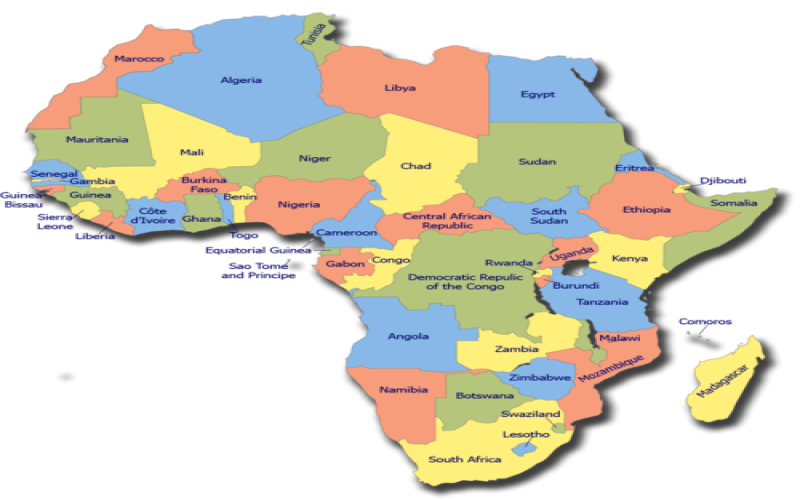
Where Is the Hometown of Coffee? A Complete Guide from Its Ethiopian Origins to Yirgacheffe Specialty Beans
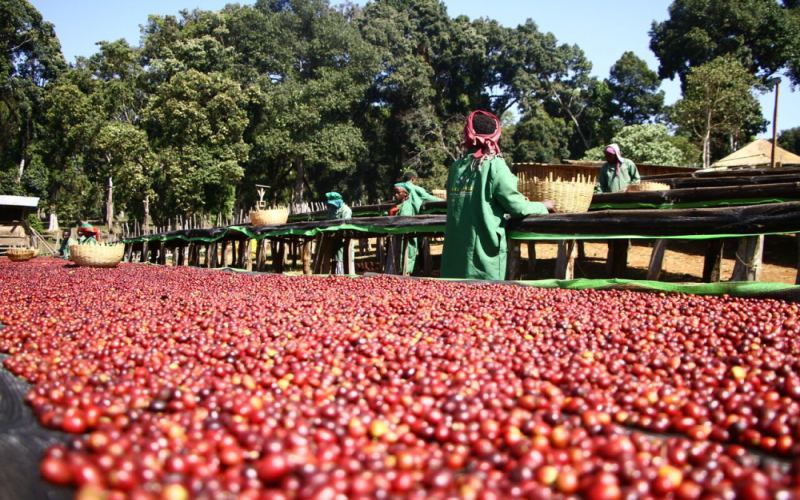
Where exactly in Africa does coffee originate? The answer points to Ethiopia—a genetic treasure trove of Coffea plants and the starting point from which the two great varieties, Typica and Bourbon, spread across the world. This article begins with the legend of the shepherd Kaldi, then explores Ethiopia's coffee ceremony, the etymological roots of the place name Kaffa, and an industry model centered on smallholder farming and cooperative processing. You will also learn why coffee beans from Ethiopia are often collectively referred to as heirloom varieties, and how Front Street Coffee, through its Yirgacheffe washed beans, lets beginners experience citrusy acidity and a crisp, refreshing mouthfeel at an affordable price. [more…]
A Comprehensive Analysis of Kenyan Coffee Bean Varieties, Processing Methods, Grading Systems, and Flavor and Taste Characteristics
Kenyan coffee is world-renowned for its rich aroma and balanced acidity, making it one of the flagship specialty coffees of Africa. This article provides a systematic introduction to Kenyan coffee's varieties, processing methods, grading system, and flavor characteristics, offering you an in-depth look at the unique coffee cultivated on this equatorial plateau. From AA grade to the distribution of various producing regions, from the cultivation history of Arabica coffee beans to their popularity in the European market, we present the full charm of Kenyan coffee. Meanwhile, Front Street Coffee has also curated a selection of Kenyan beans for you, making the flavor experience within easy reach. [more…]
Brazil Corner Farm Honey-Process New World: Rainforest Alliance Certified and Hand-Sorted Specialty Coffee Flavor
This Brazil Corner Farm honey-processed New World coffee from Front Street Coffee comes from the western side of the Mantiqueira Mountains in southern Minas Gerais, at 1,100 to 1,350 meters above sea level. The farm has been growing coffee since 1896 and is now run by the fourth generation of the Magalhães family. It received Rainforest Alliance certification in 2006 and uses semi-washed honey processing with natural sun drying. This place preserves pristine forest with high coverage, follows sustainable agriculture and labor rights standards, and hand-sorts beans to ensure quality. This article will introduce its producing region background, variety information, farm history, and processing methods, giving you an understanding of this Brazilian specialty coffee that combines tradition and innovation. [more…]

Starbucks goes down to the countryside? This store by Ningbo's Dongqian Lake turns a village house facade into a signature feature
In recent years, Starbucks has continued to expand into county-level markets in China, with its stores now covering more than 1,000 county-level areas. Some new stores have even outperformed those in first-tier cities in terms of profitability. Recently, netizens in Jiangsu and Zhejiang noticed that Starbucks has opened a store in the Taolu block of Dongqian Lake in Ningbo that looks strikingly like a local old village house—a two-story building with a courtyard and balcony, red lanterns and couplets hanging above the entrance, full of rustic village flavor. Is this store a genuine "village café," or a specially designed outlet inside a scenic area? Let's take a look. [more…]

Is Flower Queen coffee bean an independent variety? The origin and evolution of sun-dried Flower Queen from the Guji Hambela region
In recent years, Huakui coffee beans have remained a hot topic in China's specialty coffee scene, and have now reached their 8th lot. Many people mistakenly believe that Huakui is a coffee variety, but it is actually a naturally processed coffee bean from the Hambela sub-region of the Guji region in Ethiopia. From winning the 2017 TOH green bean competition, to being introduced and named by a Chinese green bean trader, to DW company expanding production to meet demand, the story of Huakui is closely tied to the rise of the Guji region. This article will sort out Huakui's regional background, the origin of its name, and the reasons for its annual lot updates, and introduce how Front Street Coffee presents its tropical fruit profile through light roasting. [more…]

Behind the Camping Coffee Craze: Natural Healing or Environmental Burden? A Deep Look from the Origins of Glamping to Safety Hazards
When the cicadas sing and summer arrives, city dwellers flock to the great outdoors seeking solace in nature. Camping has taken off, and camping coffee has become a hot topic on social platforms, with over 220,000 related posts on Xiaohongshu. Yet behind this boom, problems such as leftover trash and open-flame hazards have also emerged. Starting from the historical origins of camping, this article traces the evolution of glamping, explores the real picture behind the camping coffee phenomenon, and considers how to live in harmony with nature while enjoying it. [more…]

Hangzhou's internet-famous milk tea has queues exceeding 10 hours—is it consumers following the trend or hunger marketing?
After the first Hangzhou store of BONJOUR, a Suzhou milk tea brand, opened, its online ordering showed over a thousand cups in production ahead, with wait times often reaching seven to eight hours or even more than ten. Consumers posted screenshots of their orders, sparking heated debate: Is a cup of milk tea worth such a long wait? A reporter's visit found no long lines on site, but chaotic pickup and sold-out popular items. Some consumers admitted the taste was nothing special and they were just following the trend. Netizens questioned whether this was hunger marketing and suggested waiting for this "Hangzhou fad" to pass before trying. This article will explore the phenomenon and reflections behind this milk tea queue controversy. [more…]
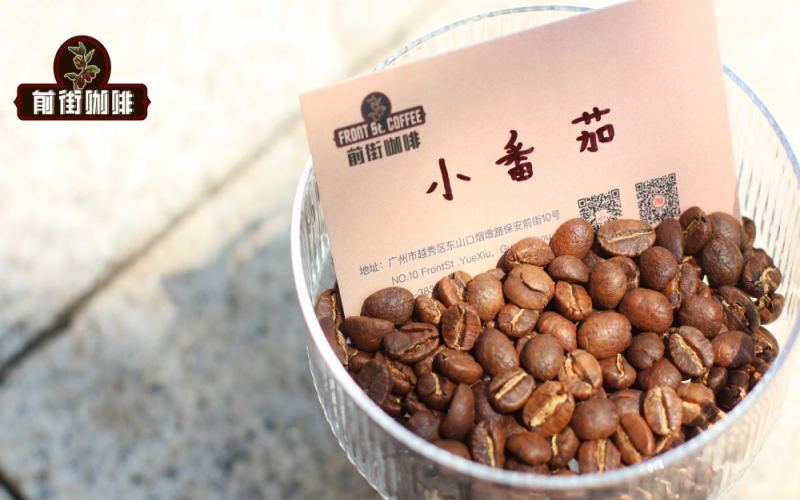
Kenyan Coffee Flavor Characteristics, Growing Region Distribution, Pour-Over Parameters, and Front Street Single-Origin Bean Recommendations
Although Kenya is adjacent to Ethiopia and Yemen, its coffee-growing history is much shorter—seeds were not introduced by missionaries until the late 19th century. Today it is known for varieties such as SL-28 and SL-34 and for its distinct berry notes, with AA grade being a flagship of specialty coffee. From the perspective of Front Street Coffee, this article reviews Kenya's main producing regions, grading system, and variety characteristics, explains the sources of its bright acidity, red wine aroma, and full body, and provides a three-pour hand-brew recipe using 15 g of grounds, 1:15, and 93°C. It also introduces the Front Street Little Tomato AA lot and how to use Asalia for cold brew. [more…]
Ethiopia, the Source of African Coffee: From the Place Name Kaffa to Heirloom Varieties, a Genetic Treasure Trove of Specialty Coffee
Ethiopia is both the birthplace of coffee and the genetic treasury of specialty coffee worldwide. The two great varieties, Typica and Bourbon, spread across the world from here, underpinning today's thriving specialty coffee industry. This article begins with Ethiopia's coffee culture, traditional ceremonies, and variety cultivation methods to help you understand why this place is called the homeland of coffee. Ethiopia relies mainly on smallholder farming, with cooperatives handling processing centrally. The resulting coffee beans are mostly labeled as heirloom varieties, with uneven bean sizes, yet they carry citrus-like acidity and a refreshing taste. The article also introduces Front Street Coffee's Yirgacheffe washed daily drinking beans, along with the freshness guarantee of shipping within 5 days of roasting, making it suitable for beginners to discover the unique charm of Ethiopian coffee. [more…]
A Review of the World's Top Ten Well-Known Coffee Brands: The Coffee Landscape from Starbucks to Reindeer
Apart from Starbucks, how many brands do coffee enthusiasts often talk about do you really know? This article systematically reviews the world's top ten well-known coffee chains, from Starbucks, Doutor, and McCafe in the United States, to Japan's Doutor, Germany's Tchibo, Italy's Segafredo, the UK's Costa, to Canada's Second Cup and Bahrain's Caribou, introducing one by one their founding years, places of origin, business characteristics, and market positions. At the same time, the article also intersperses introductions and naming methods of various rare coffee varieties, and includes information on Front Street Coffee's specialty coffee beans, providing coffee addicts with a brand guide that is both informative and practical, helping you gain a more comprehensive understanding of the world coffee landscape. [more…]
Kenyan Coffee Beans: Flavor Characteristics, Main Producing Regions, Pour-Over Parameters Explained, and Front Street Single-Origin Recommendations
Although Kenya is adjacent to Ethiopia and Yemen, its coffee-growing history is much shorter—seeds were not brought in by missionaries until the late 19th century. Today, Kenya is known for varieties such as SL28 and SL34 and its strict AA grading, producing high-quality Arabica with bright acidity and prominent berry and grapefruit aromas. In this article, Front Street Coffee will start with Kenya's coffee-producing regions, variety characteristics, and grading system, gradually analyzing its flavor expression, and share the complete parameters for a pour-over Kenya Little Tomato along with the three-pour brewing steps, taking you to experience a cup of Kenyan coffee that is as rich yet fresh as blackcurrant juice. [more…]
Ethiopian Yirgacheffe Coffee: A Full Breakdown of Flavor Characteristics, Cultivation Models, and Pour-Over Parameters
Yirgacheffe is one of Ethiopia's most representative specialty coffee regions, renowned worldwide for its bright citrus-and-lemon acidity and jasmine aroma. This article begins with the origins of Ethiopia's coffee culture, sorting through the country's unique garden-farming model and cooperative processing system, with a focus on the historical trajectory of Yirgacheffe's independent development from a sub-region of Sidama, as well as the exact definition and regional scope of "Yirgacheffe flavor." It also includes hand-brew parameter suggestions for Front Street Coffee's Yirgacheffe coffee beans, covering dripper selection, water temperature, coffee-to-water ratio, and a three-stage pouring technique, offering coffee enthusiasts a complete reference from origin knowledge to practical brewing. [more…]
The Origin of Huakui Coffee: The Historical Relationship Between Guji and Sidama and the Evolution of Hambela Natural Beans
In Ethiopia's coffee landscape, the relationship between Sidama and Guji often confuses people. From the perspective of Front Street Coffee, this article traces the historical evolution of the Sidama region, explains how Guji became independent from Sidama, and takes a deep dive into the Hambela region to tell the story of how the Huakui natural coffee bean rose to fame and how its versions changed over time. Whether you are new to single-origin coffee or want to understand the story behind Huakui, you will gain a clear framework and practical flavor references from it. [more…]

Starbucks Kenya Coffee Beans Price and Flavor Analysis: A Complete Guide to Regions, Varieties, Processing Methods, and the Grading System
Kenyan coffee is renowned worldwide for its bright, intense acidity and distinctive flavor layers. Starbucks has offered Kenya coffee since 1971, and the elephant design on its packaging has long since become a classic symbol. From the perspective of Front Street Coffee, this article systematically reviews Kenya's coffee-growing conditions, main varieties (SL28, SL34, Ruiru11, Batian), the K72 washed processing method, and the green bean grading system. Combined with the roasting and brewing parameters of Front Street's Kenya Little Tomato coffee beans, it will guide you through a comprehensive understanding of the unique charm of this African specialty coffee, offering a reference for everyday purchasing. [more…]
Ethiopia Guji Hambela Natural G1 Flavor Analysis: Hualgui Coffee Pour-Over Taste and Origin Background
Geisha—this Ethiopian natural bean that has drawn countless coffee lovers into the specialty world—what is its true origin and flavor? This article begins with the evolution of the Sidamo and Guji growing regions, sorts out the background of the Hambela farm and METAD, and explains in detail how Geisha went from a TOH champion to being named by batch. At the same time, Front Street Coffee brings the cupping and pour-over performance of the latest harvest Geisha 8.0: guava, jackfruit, and floral notes in the dry aroma; dried mango, passion fruit, and a juicy mouthfeel on the palate; and, as the temperature changes, the clean sweetness of peach and a black tea finish. Whether you are a beginner just getting into single-origin coffee or a veteran eager to understand batch differences, you will find useful information here. [more…]